
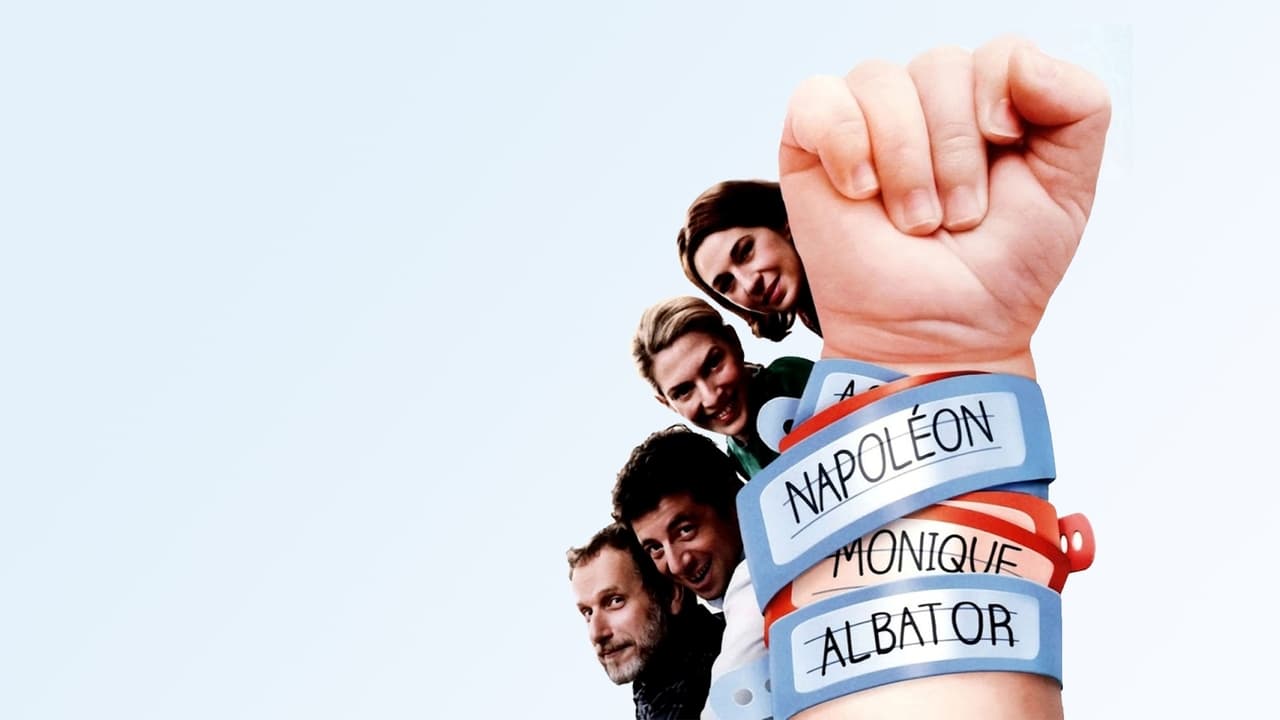
What's in a Name
Vincent, a wealthy real estate agent, is invited to dinner by his sister Elizabeth and her husband Peter, both professors in Paris. Claude, a childhood friend and trombonist in a symphony orchestra, is also…
Broflix: French comedies and family films, from Populaire, Romantics Anonymous and Le Brio to The Women on the 6th Floor, Zazie dans le Métro and What's in a Name, and where to watch them
172 French-language films, 1958 to 2026, chosen for the whole household.
Trending this week
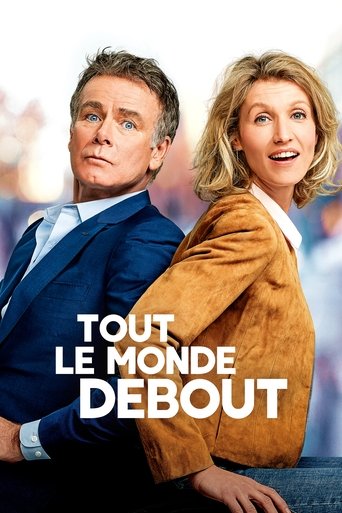
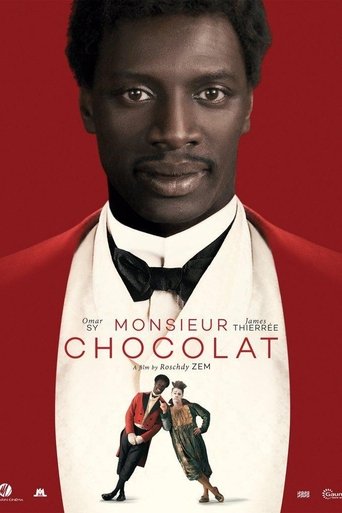
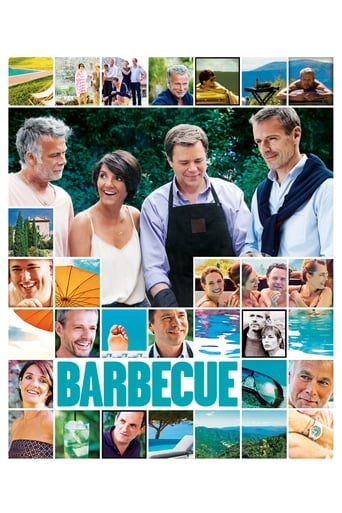

Comedy Movies
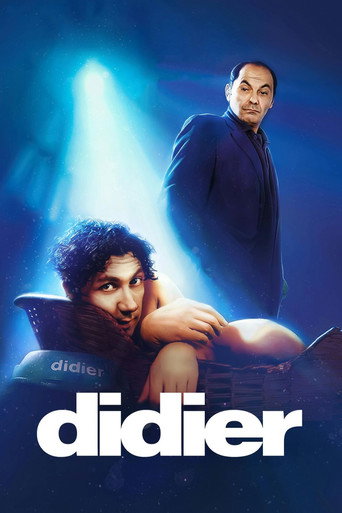

Adventure Movies

Family Movies


Romance Movies


Classics
French comedies and family films: the Broflix guide
Broflix: French comedies and family films, from Populaire, Romantics Anonymous and Le Brio to The Women on the 6th Floor, Zazie dans le Métro and What's in a Name
France goes to the cinema to laugh. Year after year the films that fill its theatres are comedies: a dinner party that goes wrong over the choice of a baby's name, a grown son who is too comfortable to leave home, a family from the north that wins the lottery and moves to Monaco. Broflix is a guide to 172 French-language films of that popular tradition and of the gentler cinema around it, made between 1958 and 2026. Each has its own page, its story, its director and cast, and a Watch now button that leads to the official services carrying it in your country.
The catalogue has been chosen for the whole household. Every film was read through by hand, and the selection favours comedies, family stories, romances, light adventures and the kinder classics. Thrillers, horror, films of the battlefield and titles made strictly for adults were left out. What remains is the cinema that French families watch together on a Sunday evening: a secretary from Normandy who types faster than anyone in the world, two painfully shy chocolate makers who fall in love, a farmer who walks across France with his cow to reach the agricultural show in Paris.
The numbers give a first idea of the shape. One hundred and forty-eight of the films are comedies, seventy-one are dramas or comedies with a serious heart, and thirty-two are romances. Eighty-six turn on a family, thirty are set in Paris and twenty-nine in a village, on a farm or by the sea. Thirty-one are classics made before 2000, among them five by Éric Rohmer, two by François Truffaut and two by Louis Malle, and twenty-seven have appeared since 2023. Fifty-three carry a score of 6.5 or higher from the viewers of TMDB.
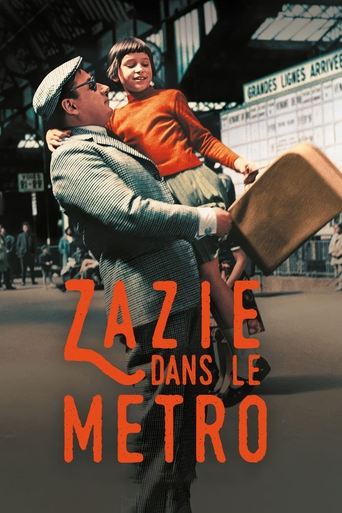
A first-time visitor can begin with any of six films. Populaire is a bright romance set in the typing contests of the 1950s. Romantics Anonymous is eighty minutes of chocolate and shyness. Le Brio sets a sharp-tongued law professor to coach a student from the suburbs for a speaking contest. The Women on the 6th Floor sends a stiff Parisian stockbroker up the back stairs to meet the Spanish maids who live under the roof. Zazie dans le Métro is Louis Malle's cartoon in live action, with a ten-year-old let loose on the capital, and What's in a Name is the dinner party that every French family quotes.
How the collection is arranged
Broflix is drawn in deep night blue with sky-blue highlights. The bar at the top carries the wordmark, a short menu, a search field and a My List button. The home page opens with a tall film still, the title of the film in large letters, a few lines about it and two rounded buttons, Details and Browse all. Beneath it come the rows, each under a plain heading: Trending this week, Comedy Movies, Adventure Movies, Family Movies, Romance Movies and Classics. Every poster has rounded corners, gains a sky-blue ring when the pointer rests on it, and each row ends in a link to its full list.
The lists are the main way through the catalogue. Comedy, Drama, Romance and Adventure sort the films by kind. Family, The arts, Paris and Countryside and sea sort them by subject and setting. Classics holds everything made before 2000, five lists divide the later films by year, and Top rated has the fifty-three with the strongest scores.
A Broflix film page reads from top to bottom like a programme note. First comes the poster with the English title and, under it, the title the film carried in French cinemas. A line of small labels follows with the year, the length in minutes and the TMDB score. Then the story, told in a short paragraph, and the names of the director and the leading actors. The Watch now button closes the page, with a menu of countries beside it. Pick yours once and Broflix keeps the choice; the button then opens JustWatch for that film, where each service that streams, rents or sells it is listed.
The popular comedy
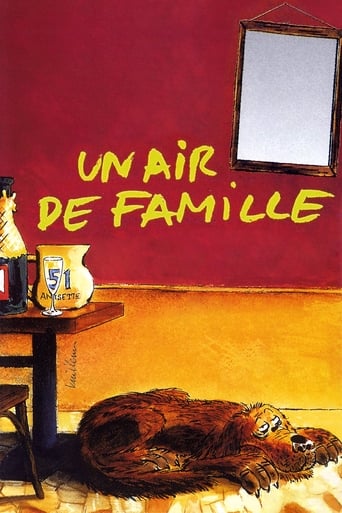
The heart of the catalogue is the comedy of manners that France has made its own: a handful of people, a table, and an argument that grows. What's in a Name is the model. Vincent, about to become a father, arrives at his sister's flat for dinner and announces the name he has chosen for his son. The name is a provocation, the evening unravels, and by the time the dessert is served every old family grievance has been aired. The film began as a stage play and keeps the play's pleasure in talk. Family Resemblances, written by Agnès Jaoui and Jean-Pierre Bacri and filmed by Cédric Klapisch, is its older cousin: a family meets every Friday in the same café, and one Friday the birthday dinner goes off the rails.
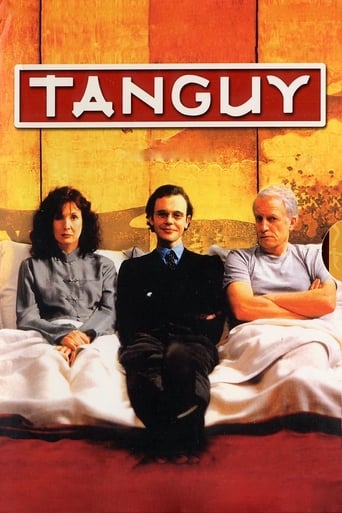
Tanguy gave the French language a new word. Tanguy is twenty-eight, brilliant, charming and still living with his parents, who decide to make home life uncomfortable enough for him to leave. Étienne Chatiliez directs Sabine Azéma and André Dussollier as the parents with evident glee. Didier, the first film directed by Alain Chabat, has a simpler idea carried out with complete seriousness: a Labrador wakes up one morning in the body of a man, and his temporary owner, a football agent played by Jean-Pierre Bacri, has to pass him off as a new signing.
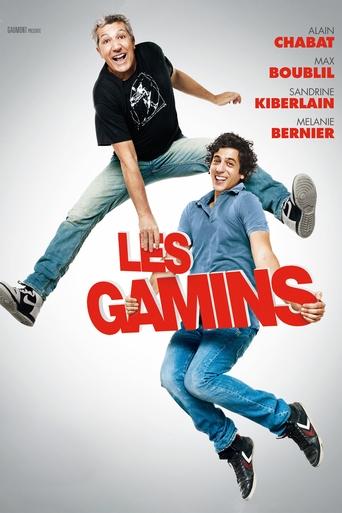
The Gilded Cage is set in a handsome Paris building where Maria and José, a Portuguese concierge and her builder husband, have looked after everyone for thirty years. When they inherit a house in Portugal, the neighbours and employers quietly conspire to keep them. Ruben Alves based the film on his own parents, and its warmth is earned. The Brats reverses the usual comedy of in-laws: a young man about to marry meets his future father-in-law, who persuades him that married life is a trap, and the two of them set off to behave like teenagers.
Several comedies belong to the same small company of actors. Franck Dubosc and Lambert Wilson lead Barbecue and Happy 50, two films by Eric Lavaine about a circle of friends in their fifties on holiday. Dubosc wrote, directed and starred in Rolling to You, a romance between a man with a taste for tall tales and a violinist who uses a wheelchair, played by Alexandra Lamy; the pair returned in Family Swap, in which every member of a quarrelling household wakes up in the body of another. Dany Boon is the anxious hero of A House of Your Dreams and of Life for Real, where a man raised in a holiday club goes to Paris to find a childhood sweetheart.
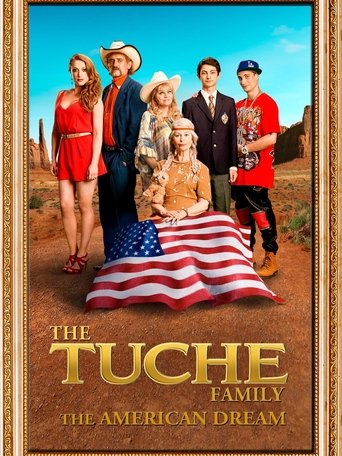
The lottery is a reliable French subject. In The Tuche Family: The American Dream the Tuches, already rich from the first film, follow their youngest son to a university in Los Angeles. In Chers parents three grown children learn that their parents have won a fortune and have other plans for it than sharing. Meet the Malawas sends four television personalities with large opinions of themselves to live with a remote community for a programme, and Jack Mimoun & the Secrets of Val Verde sends a television adventurer, whose fame rests on one book, on a real expedition.
The older school of laughter
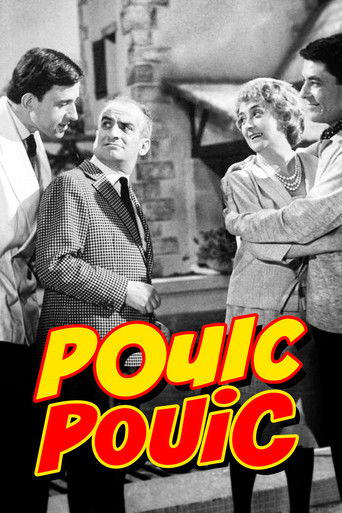
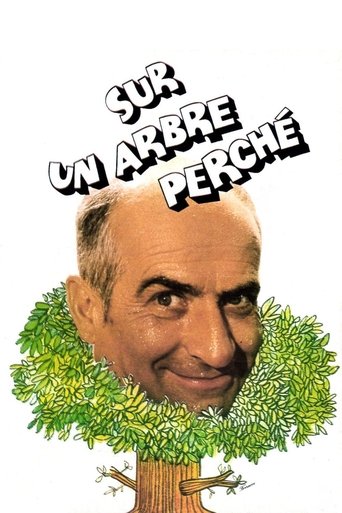
French comedy before 1980 belonged to a few great faces. Louis de Funès, small, furious and elastic, is here in two films. In Squeak-squeak he is a rich man trying to sell on a worthless oil concession that his wife has bought, in a farce adapted from a stage hit. In Perched on a Tree his car leaves a coast road and lodges in the branches of a pine growing from a cliff, and most of the film takes place in that car, with Geraldine Chaplin in the back seat. My Wife's Husband is the only film that paired Fernandel and Bourvil: a man from Marseille returns after many years away to find that his wife has remarried a chef from Normandy, and the two husbands must share one restaurant and argue over butter and olive oil.
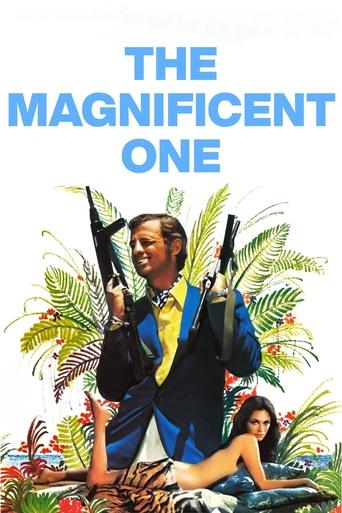
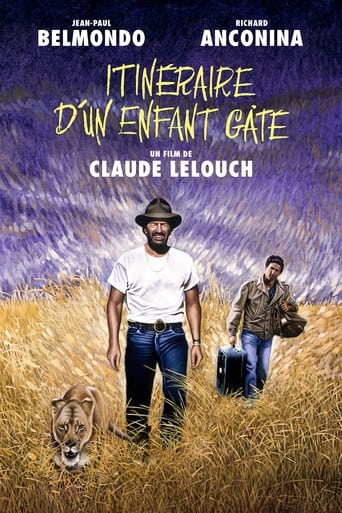
Jean-Paul Belmondo appears three times. The Magnificent One, directed by Philippe de Broca, cuts between a tired writer of spy novels in a rainy Paris flat and the dashing secret agent he invents, both played by Belmondo, with Jacqueline Bisset as the neighbour who becomes the heroine. In Animal he is a stuntman who doubles for a film star and tries to win back his partner, played by Raquel Welch. And in Itinerary of a Spoiled Child, Claude Lelouch's film of 1988, he is a self-made businessman, raised in a circus, who sails away from his own life; the part won him the César for best actor.
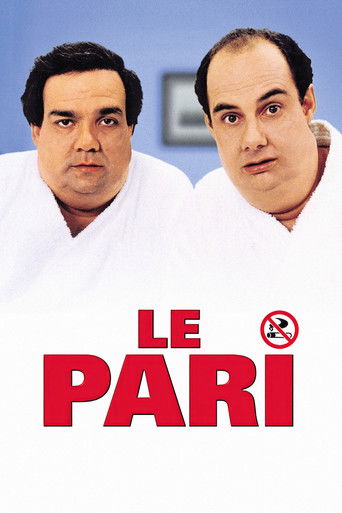
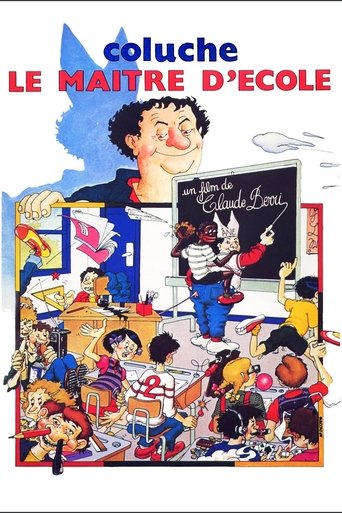
Coluche plays a shop assistant turned supply teacher in The School Teacher, Claude Berri's affectionate picture of a primary school. Pierre Richard, the tall blond dreamer of French comedy, invents a twin brother in The Twin so that he can court two sisters at once, and returns decades later in All Together, where five old friends decide to share a house. Les Charlots, a pop group turned film comedians, take a coach holiday in Charlots Go to Spain. And The Bet brings two of the trio Les Inconnus, Didier Bourdon and Bernard Campan, as brothers-in-law who wager that each can give up cigarettes for a fortnight.
Family stories
Eighty-six films in the catalogue turn on parents, children, brothers and sisters. The First Day of the Rest of Your Life is the richest of them. Rémi Bezançon tells the story of the Duval family through five days spread over twelve years, one day for each member: the day the eldest son leaves home, the day the daughter turns sixteen, the day the father gives up smoking. Each day is a small film in itself, and together they make a portrait in which most viewers find their own family. It holds the highest score among the films of this century on Broflix.
Meet the Leroys takes a couple on the edge of separation, played by Charlotte Gainsbourg and José Garcia, on a weekend tour of the places that mattered in their life together, with two teenage children in the back of the car. Lola and Her Brothers, directed by Jean-Paul Rouve, follows a sister who has spent years keeping the peace between two brothers. Me and My Sister puts Isabelle Huppert and Catherine Frot together as sisters, one brittle and Parisian, the other warm and provincial, during three days in the capital.
Grown children are a recurring source of comedy. In My Out-Laws a couple whose daughter is leaving her husband find that they prefer the son-in-law. In Knock, Knock, It's Mom! Josiane Balasko moves in with her daughter for a few days that become a few months. Daddy Cool has a man of forty open a nursery in the flat he still shares with his former partner, and The Full House gives a cheerful bachelor a flatmate with two children. Room(h)ates finds a divorced couple obliged to go on sharing the family home, half each.
Several films look at the family from the child's height. I, Cesar, directed by Richard Berry, is narrated by a boy of ten and a half who is sure that the adults are hiding something and sets off for London with two friends to find out. The Grand Highway sends nine-year-old Louis from Paris to spend a summer with a couple in a Breton village in 1958; Jean-Loup Hubert cast his own son, and Anémone and Richard Bohringer both won Césars. Peppermint Soda, Diane Kurys's first film, follows two sisters through one school year in 1963, from the first day of term to the summer holidays, with a precision that has kept it fresh for almost fifty years.
For younger viewers the catalogue has a small shelf of its own. Lou! is drawn from a popular comic about a dreamy twelve-year-old and her mother. Les Blagues de Toto gives the schoolboy of a thousand playground jokes a film. The Secret of Arkandias is a fantasy about three children and a ring that makes its wearer invisible, and Bécassine ! brings the Breton nursemaid of the old picture books to the screen in the hands of Bruno Podalydès. The Brand New Adventures of Aladdin is a pantomime version of the old tale with Kev Adams and Jamel Debbouze.
Romance
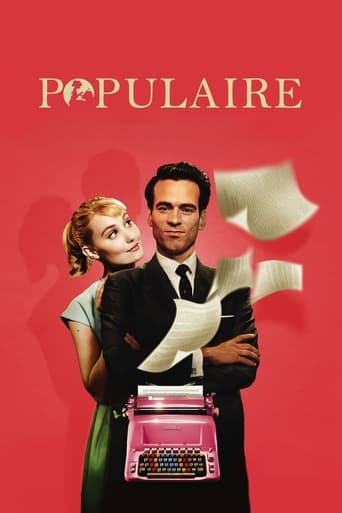
French romantic comedy tends to be modest in scale and exact in observation. Populaire is the exception in scale. Rose Pamphyle, a shopkeeper's daughter in 1958, has one gift: she types at tremendous speed with two fingers. Her employer, played by Romain Duris, decides to train her for the national speed-typing championship. Régis Roinsard films the contests like boxing matches and dresses the whole picture in the colours of a fifties magazine. Romantics Anonymous is modest in every way and all the better for it: Benoît Poelvoorde and Isabelle Carré play a chocolate maker and his new employee, each so shy that a dinner together is an ordeal, and Jean-Pierre Améris, who knows the condition from the inside, treats them with great tenderness.
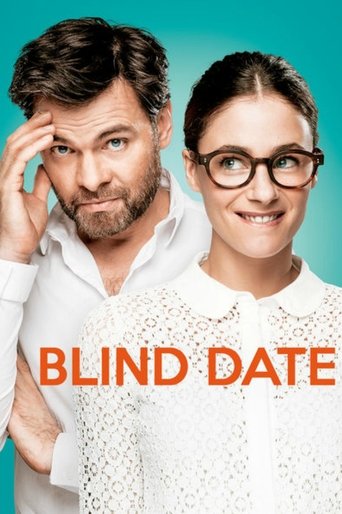
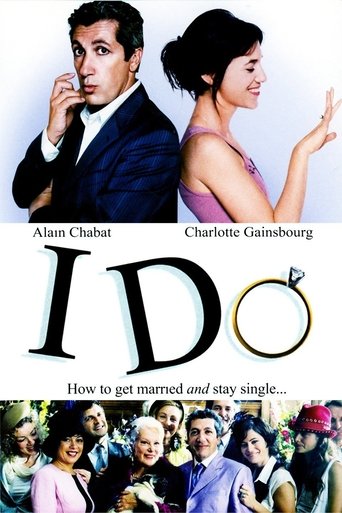
Blind Date is built on a wall. A woman moves into a flat separated by a thin partition from that of a puzzle inventor who needs silence; they quarrel through the wall, then talk through it, then fall in love through it, and agree to stay unseen. Jet Lag strands Juliette Binoche and Jean Reno at Charles de Gaulle airport during a strike. I Do has Alain Chabat hire Charlotte Gainsbourg to pose as his fiancée and satisfy his mother and five sisters. Second Chance gives Virginie Efira a suitor who brings bad luck to everyone he loves.
Eiffel imagines a love story behind the tower, with Romain Duris as the engineer and Emma Mackey as the woman from his youth, and shows the construction itself in handsome detail. The Sense of Wonder brings a widowed pear grower together with a gentle stranger who has a remarkable memory for numbers. Hear Me Out is a comedy about a teacher who is losing his hearing and the neighbour whose daughter has stopped speaking. In Maria into Life a cleaner who takes a job at the School of Fine Arts in Paris meets its caretaker, and in It Takes Two To Tango an ageing crooner meets, on a train to Geneva, a woman who has plans of her own.
Rohmer and the classics
Five films by Éric Rohmer give the catalogue its quiet centre. Rohmer made films about young people talking: about love, about what they intend to do, about what they believe they want. The talk is light and the films are deeper than they seem. A Summer's Tale is set in the Breton resort of Dinard, where Gaspard, a mathematics graduate with a guitar, waits for one girl, walks the coast paths with a second and is pursued by a third. An Autumn Tale moves to the vineyards of the Rhône valley, where two friends of a widowed winemaker each decide, separately, to find her a husband. Together with the spring and winter films they form the Tales of the Four Seasons.
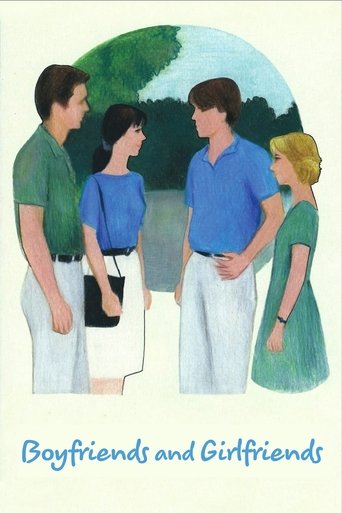
Boyfriends and Girlfriends takes place in Cergy-Pontoise, a new town outside Paris, among four young professionals who exchange partners as courteously as in a dance. Four Adventures of Reinette and Mirabelle is the lightest of all: a country girl and a Parisian student share a flat, and four short episodes set their ideas of right and wrong against each other, beginning with the minute of perfect silence that falls before dawn. The Tree, the Mayor and the Mediatheque is a comedy of village politics in which a mayor's plan for a cultural centre meets a schoolteacher, a novelist and an old willow.
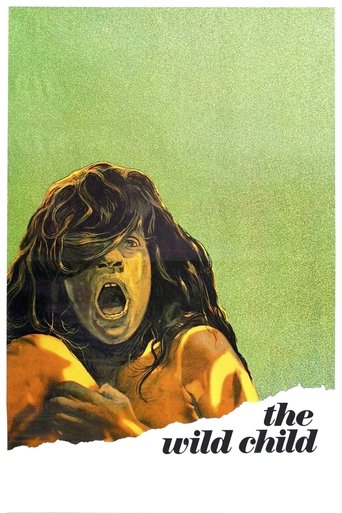
François Truffaut is present at both ends of his early career. The Mischief Makers is the eighteen-minute short of 1958 in which a band of boys in Nîmes follow a young woman on her bicycle through one summer; it is the earliest film on Broflix and a first sketch of everything he later made about childhood. The Wild Child, twelve years on, tells the true story of Victor, a boy found living alone in the forests of the Aveyron in 1798, and of Doctor Itard, played by Truffaut himself, who tries to teach him to speak.
Louis Malle's Zazie dans le Métro adapts Raymond Queneau's novel as a silent comedy with sound. Zazie, aged ten, comes to Paris for two days with one ambition, to ride the Métro, and the Métro is on strike; so she runs through the city instead, trailed by her uncle, played by a young Philippe Noiret. Thirty years later Malle made May Fools, in which a family gathers at a country house in the Gers for a funeral during the events of May 1968 and, cut off by the strikes, drifts into an unexpected holiday.
Pierre Étaix's Yoyo and Jacques Tati's Parade are the work of two clowns. Étaix, who had worked for Tati, tells the story of a bored millionaire who loses everything in 1929, joins the circus rider he loves and raises a son who becomes a famous clown; the first third is played as a silent film. Tati's last film is a circus performance recorded for Swedish television, with Tati himself reviving the mime numbers of his music-hall youth. Bertrand Tavernier's A Sunday in the Country spends one day in 1912 with an old painter visited by his dutiful son and his dazzling, restless daughter, and Agnès Varda's One Hundred and One Nights celebrates a century of cinema with Michel Piccoli as Monsieur Cinéma and a parade of famous visitors.
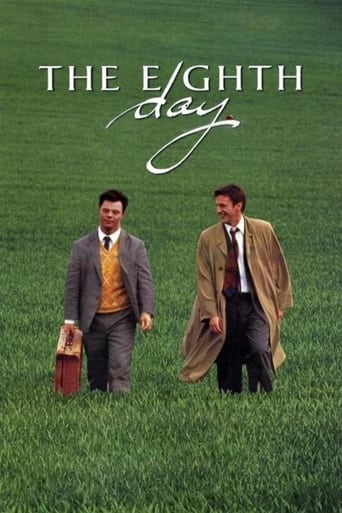
The nineties add Ridicule, Patrice Leconte's film of Versailles in 1783, where a country engineer who wants to drain a marsh learns that wit is the only currency at court, and The Eighth Day, in which Daniel Auteuil's overworked salesman meets Georges, a man with Down syndrome played by Pascal Duquenne; the two actors shared the acting prize at Cannes.
The arts on screen
Forty-eight films concern people who make things: music, dances, dresses, cakes, paintings. Orchestra Class gives Kad Merad the part of a professional violinist who takes a job teaching a class of twelve-year-olds in a Paris school and has a year to prepare them for a concert at the Philharmonie. Maestro(s) sets a father and son, both conductors, against each other when the telephone call offering La Scala reaches the wrong one. Polina follows a young Russian dancer from the Bolshoi school to contemporary dance in France and Belgium, and The Singer gives Gérard Depardieu one of his gentlest roles as a dance-hall crooner in Clermont-Ferrand.
The kitchen has its films. Kitchen Brigade takes a proud sous-chef, played by Audrey Lamy, to the canteen of a hostel for young migrants, where she turns her diners into a brigade. Sugar and Stars tells the true story of Yazid Ichemrahen, who grew up in foster homes and became a world champion of pastry. Haute Couture is set in the Dior workshops on the Avenue Montaigne, where the head seamstress, in her last weeks before retirement, takes on a young woman from the suburbs as an apprentice. The Rose Maker gives Catherine Frot a failing rose nursery and three unlikely recruits.
Painters and performers have their portraits too. Cezanne and I traces the long friendship of Paul Cézanne and Émile Zola from their schooldays in Aix. Chocolat stars Omar Sy as Rafael Padilla, the first Black star of the French stage, and James Thierrée as his partner Foottit. The Divine Sarah Bernhardt has Sandrine Kiberlain as the greatest actress of her century, Auction follows a specialist at a Paris auction house to a worker's home where a lost painting by Egon Schiele hangs, and The Ideal Palace tells how the postman Ferdinand Cheval spent thirty-three years building a palace of pebbles for his daughter.
Paris
Thirty films are set in the capital, and they show thirty different cities. Avenue Montaigne keeps to a single street: a concert hall, a theatre, an auction room and the café that serves all three, seen through the eyes of a young waitress newly arrived from Mâcon. Danièle Thompson wrote it with her son Christopher, and it is the best introduction to her films. The Women on the 6th Floor goes back to 1962 and to the servants' floor of a bourgeois building, where Fabrice Luchini's stockbroker discovers, six flights above his own apartment, a livelier world than the one he lives in.
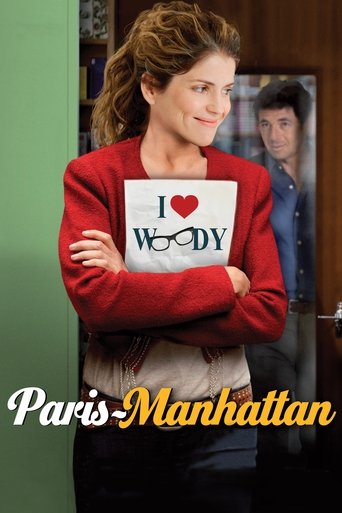
Lost in Paris is the city as a playground for two clowns. Fiona Gordon and Dominique Abel, a Canadian and a Belgian who trained in physical theatre, play a librarian looking for her aunt and a tramp who lives beside the Seine; there is a dance in a floating restaurant and a climb on the Eiffel Tower, and Emmanuelle Riva, in one of her last roles, plays the aunt. Paris-Manhattan is about a pharmacist who prescribes the films of Woody Allen to her customers, and Paris or Perish about a fashion stylist sent back to the Moroccan village of her birth.
The suburbs have their own films. Gagarine was shot in a real housing estate in Ivry-sur-Seine during the months before its demolition. Yuri, sixteen, named like the towers after the first man in space, sets out to save his building and, when the residents leave, turns his flat into a space capsule. It is a film about a place and about imagination, and one of the most original French debuts of recent years. Macadam Stories finds three unlikely meetings in a tower block with a broken lift, one of them between an elderly Algerian woman and an American astronaut whose capsule has landed on the roof. New Biz in the Hood moves a smart advertising agency to the suburb of La Courneuve.
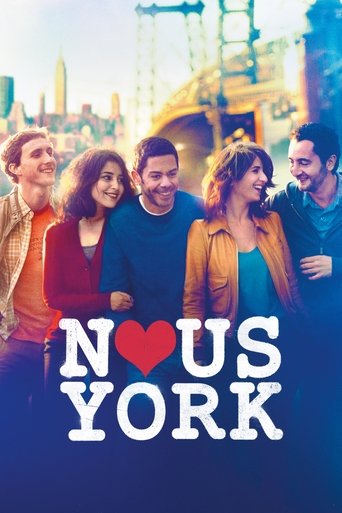
Alice and the Mayor is set in Lyon, France's second city, where a young philosopher is hired to give ideas to a mayor who has run out of them; Fabrice Luchini and Anaïs Demoustier play the pair, and the film listens to them think. Nous York takes three friends from Nanterre to New York for a birthday, and Here and There brings a Frenchman home from Senegal after fifteen years to a Paris he hardly recognises.
Villages, farms and the sea
French cinema returns to the countryside with real affection. In The Girl from Paris a woman of thirty leaves her work in computing to buy a goat farm on the high plateau of the Vercors, and the old farmer who sold it to her, played by Michel Serrault, stays on in the house next door to watch her through her first winter. Christian Carion grew up on a farm and films the work honestly. One Man and his Cow follows Fatah, a farmer from an Algerian village, who is invited to show his cow Jacqueline at the Paris agricultural show and, landing at Marseille, walks the length of France to get there, making friends in every region.
The Sweet Escape is Bruno Podalydès's film about a man who dreams of aviation, builds a kayak from a kit instead and sets off down a small river, getting only as far as a riverside inn where he is very happy. Open Season sends a Parisian couple to a house in the country where the neighbours hold firm views about weekend sport in the woods, and Meet the Barbarians, written and directed by Julie Delpy, watches a Breton village prepare to welcome a refugee family and receive a different one from the family it expected.
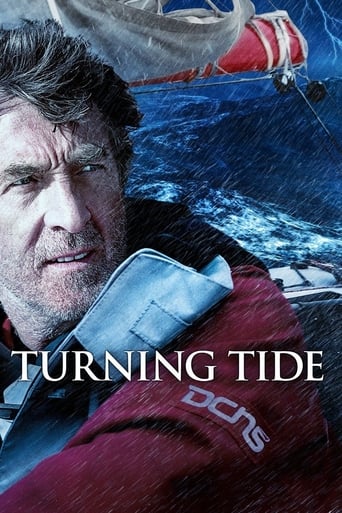
The sea is in Turning Tide, which puts François Cluzet alone on a racing yacht in the Vendée Globe, the solo voyage round the world, and gives him a young stowaway. It was filmed on a real boat in real weather. Two Tickets to Greece reunites two school friends, now in middle age and very unlike each other, for the island holiday they once promised themselves, with Kristin Scott Thomas as the free spirit they meet on the way. Venice Calling loads a family and a caravan for the drive to Italy, and August 15th leaves three husbands in charge of a holiday house and its children when their wives take a few days away.
Journeys and wonders
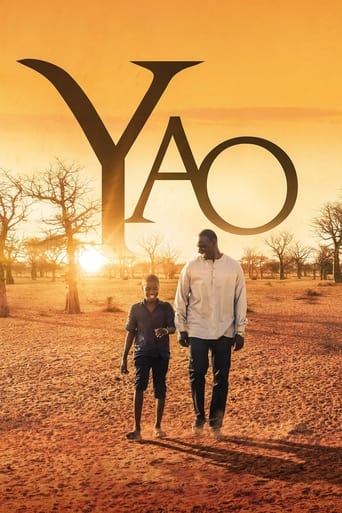
The adventure list is the smallest on Broflix and the most varied. Yao is the story of a thirteen-year-old Senegalese boy who travels almost four hundred kilometres alone to meet his hero, a French film star played by Omar Sy, and of the star's decision to take him home by road. Fly Me Away gives a doctor's idle son the task of looking after a twelve-year-old patient with a list of wishes. The Finishers is about a seventeen-year-old who uses a wheelchair and persuades his father to enter the Nice triathlon with him as a team.
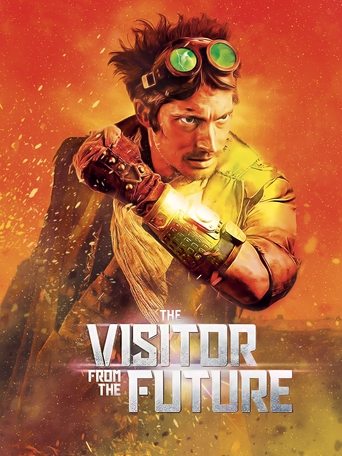
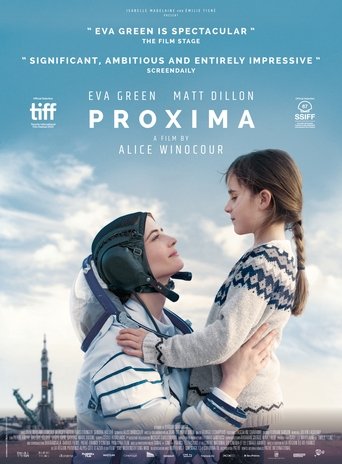
Time and space supply the wonders. The Visitor from the Future grew from a web series that young French viewers know by heart; its hero arrives from a ruined tomorrow to stop small mistakes in the present. A Distant Neighborhood, from the Japanese graphic novel by Jiro Taniguchi, returns a man of fifty to his own fourteenth year in a mountain town. Cycle of Time carries a couple from the 1950s into 2025, Julia(s) follows four possible lives of one pianist, and Proxima stays close to the ground: Eva Green plays an astronaut in her last months of training before a year on the space station, preparing her young daughter for the separation.
Faces to follow
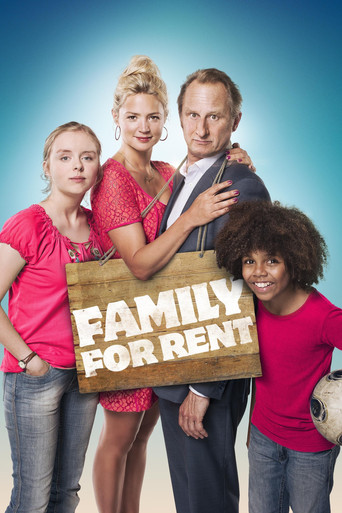
French cinema is a repertory company, and one pleasure of a catalogue like this is meeting the same actors again in different clothes. Fabrice Luchini, whose precise and musical delivery is unlike anyone else's, appears as the stockbroker of The Women on the 6th Floor, the mayor of Alice and the Mayor, the husband in Trophy Wife and, much younger, the schoolteacher in Rohmer's village comedy. Benoît Poelvoorde, the Belgian actor who can be alarming and touching in the same scene, is the shy chocolate maker of Romantics Anonymous, the lonely millionaire who rents a household in Family for Rent and the unruly father of Venice Calling.
Catherine Frot has four films here, from the sister-in-law of Family Resemblances to the rose grower of The Rose Maker. Sandrine Kiberlain moves from the wife in The Women on the 6th Floor to Sarah Bernhardt herself. Virginie Efira, who began as a television presenter in Belgium, can be followed from Second Chance through Cookie and Turning Tide to The Sense of Wonder. Alexandra Lamy leads Rolling to You, You Choose!, The Finishers and The Book of Wonders, in which a mother sets out to complete the list of adventures her son has written in his notebook.
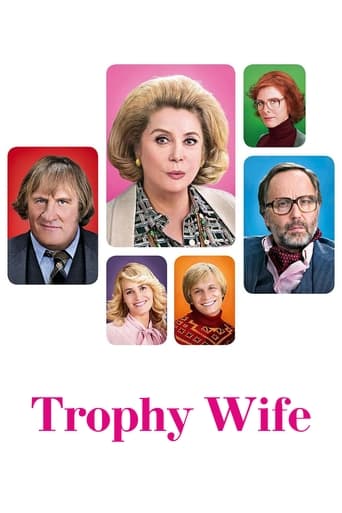
Daniel Auteuil, among the most admired French actors of his generation, is the professor of Le Brio, the salesman of The Eighth Day, the friendless dealer of My Best Friend and the host of The Dinner Guest. Jean-Pierre Bacri, the great grumbler, is in Family Resemblances and Didier. Omar Sy leads Chocolat and Yao. Charlotte Gainsbourg appears in four films, from My Wife Is an Actress, directed by her partner Yvan Attal, to Meet the Leroys. And Catherine Deneuve and Gérard Depardieu are reunited in Trophy Wife, François Ozon's bright comedy of 1977, in which the wife of an umbrella manufacturer takes over the factory and proves better at running it than her husband.
Behind the camera a few names recur. Jean-Pierre Améris has four films, all of them about timid people finding courage: Romantics Anonymous, Family for Rent, Take a Chance on Me and It Takes Two To Tango. Bruno Podalydès has three, each with the same gentle, bookish humour: Park Benches, The Sweet Escape and Bécassine !. Louis-Julien Petit made both The Invisibles, set in a day centre for homeless women and acted partly by women who had lived that life, and Kitchen Brigade. Anthony Marciano directed The Brats, the newest release The American Dream, and Play, which tells twenty-five years of one man's life through the home videos he has filmed since the age of thirteen.
Schools and teachers
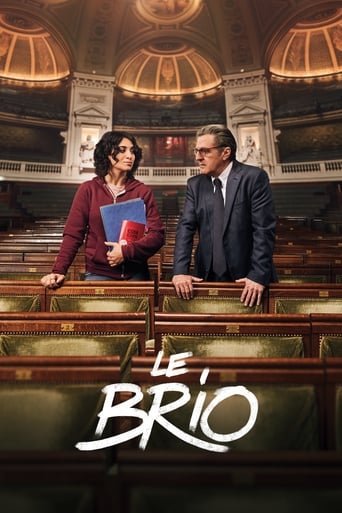
France takes its schools seriously, and its cinema takes them warmly. Le Brio is set at the law faculty of Paris-Assas. Neïla, a first-year student from Créteil, arrives late to her first lecture and is mocked by the professor before the whole hall; to save his post he is obliged to prepare her for the national eloquence contest. Yvan Attal's film is a duel of words between Daniel Auteuil and Camélia Jordana, and it leaves the viewer with a real appetite for the art of argument. Latin for All has a weary teacher of classics strike a bargain with her pupils and find herself, to her surprise, with a class that wants to learn.
Maria Montessori goes to Rome in 1900, where the young doctor is developing her method with children whom other schools had turned away, and where a Parisian mother brings her daughter in hope. The Wild Child is, among other things, the story of a teacher and a single pupil. The School Teacher gives Coluche a class of ten-year-olds, Orchestra Class gives Kad Merad a class of violins, and Class Reunion brings three friends back, twenty-five years later, to organise a grand evening for their old school year. Neuilly sa mère, sa mère ! returns to a boy from the suburbs who was sent to school in the smartest town in France and has now, ten years on, become a student of politics.
Watching in French
Every film on Broflix was made in French, and most services offer it in the original language with English subtitles. For viewers who are new to subtitles, French comedy is a kind place to start, because so much of it is carried by faces and timing. Lost in Paris, Yoyo and Parade rely on gesture far more than on speech. Zazie dans le Métro is a run of visual jokes. The popular comedies of Franck Dubosc, Dany Boon and Kad Merad are broadly played and easy to follow.
The talkative films reward a little more attention. Rohmer's characters speak in whole, elegant sentences; What's in a Name and Family Resemblances move at the speed of a family quarrel; Ridicule is about wit itself, and its best lines are duels. Subtitles carry all of this well, and many viewers find that after two or three films the reading disappears and only the voices remain. Learners of French will find the catalogue useful too: the comedies are full of everyday speech, and the film pages give the French title of each film beside the English one, so that it can be found under either name.
A few titles are listed under their French names because they have yet to receive an English one: Chers parents, Les Blagues de Toto, Espace détente, Itinéraire bis and 10 jours en or among them. Their stories are described in English on their pages like all the others, and the Watch now button shows whether a subtitled edition is offered where you live.
How the films were chosen
The selection began with a wide survey of French-language feature films from 1950 to the present, more than twelve hundred in all, and was narrowed in three steps. First came the kinds of film that suit a family evening: comedy, romance, drama, adventure and fantasy. Then came a reading of every story, one at a time. Films built on violence or made strictly for adult audiences were set aside at this stage, however celebrated, and so were thrillers and stories of the battlefield. Finally the posters and the descriptions were checked, and four descriptions were rewritten in plainer words.
The result is a catalogue that leans, by design, toward the popular and the warm-hearted. It holds prize-winners, such as The Eighth Day, The Grand Highway and Ridicule, beside films that critics passed over and audiences loved, and it treats both with the same respect. A comedy that filled French cinemas for a summer has as much right to a page as a film that won at Cannes; often it says as much about the country.
Broflix keeps its films to itself among the guides of its family. Each title here was chosen for this catalogue alone, which is why some very famous French films are absent: they already have a home elsewhere. In exchange the catalogue reaches further than most into the films that seldom travel, and a visitor who knows French cinema well should still find a good number of discoveries.
Using Broflix
The search field in the top bar is the quickest way to a known film. It answers as you type and accepts English titles, French titles and the common alternatives, so that Potiche finds Trophy Wife and Le Prénom finds What's in a Name. The A-Z page sets all 172 films out in alphabetical order, and the Movies page shows them by popularity.
Broflix has a small notebook built in, called My List. A button on each film page adds the film to it, and the sky-blue button in the top bar opens it. The notebook belongs to your browser: it is written on the device in your hand, it is there again the next time you call, and a film leaves it as soon as you press Remove. For a second device, the list page can write the notebook to a small file and read it back.
The help pages cover each part of the catalogue in a few lines: How to watch, Comedy, Family, Romance, Paris, Classics, Directors and Watching in French, Adventure, The arts, Countryside and sea, Drama and Year by year, with Finding titles and My List for the tools.
Questions and answers
Work, friendship and second chances
A large part of French comedy is about people in the middle of life deciding to change it. I Got Life! gives Agnès Jaoui the part of Aurore, fifty, newly single, between jobs and about to become a grandmother, who meets the love of her youth again and decides that the story is far from over. Freestyle has Marina Foïs as a woman who finds one morning that she is unable to leave her car and so drives across France with a young stranger at her side. Toni stars Camille Cottin as a mother of five teenagers, once a pop singer, who enrols at university.
The Invisibles is the best of the films about work. In a northern town the council is closing a day centre for homeless women, and the four social workers who run it have three months to find their visitors jobs by any means, coaching them for interviews with a mixture of patience and cheek. The laughter is real and so is the respect. Take a Chance on Me pairs the singer Louane, as a waitress with a quick tongue, with Michel Blanc as the reserved judge who hires her as his driver. Guess Who's Calling! follows a gifted impressionist hired to answer the telephone as a famous writer who wants peace to work.
Friendship has its own shelf. My Best Friend, by Patrice Leconte, begins with a wager: an art dealer with many contacts and few affections has ten days to produce a best friend, and hires a talkative taxi driver, played by Dany Boon, to teach him how friends are made. Beautiful Minds puts an undertaker and a philosopher with cerebral palsy in a hearse for the drive to the south; Alexandre Jollien, who co-directed and plays the philosopher, is a philosopher in life. A Friendly Tale... asks what happens to two couples when one of the four writes a successful novel, and Two Of A Kind gives a careful lawyer a twin brother he has just discovered.
Old age is treated with unusual cheerfulness. In All Together five friends in their seventies, among them Jane Fonda speaking French, Geraldine Chaplin, Guy Bedos and Pierre Richard, set up house together. Oldies But Goodies sends the residents of a home for seniors and orphans on an escapade, and Mme Mills, une voisine si parfaite, directed by Sophie Marceau, gives a publisher of romances an elderly American neighbour who is rather more than she appears.
A first month
A newcomer who would like a plan can take four weekends. On the first, stay with the favourites: Populaire on Saturday and What's in a Name on Sunday, a romance in colour and a comedy in one room. On the second, go to Paris with The Women on the 6th Floor and Avenue Montaigne, and add Zazie dans le Métro for the children. On the third, leave for the country: The Girl from Paris, One Man and his Cow and, for a summer mood, A Summer's Tale.
On the fourth weekend try the older school and the newer one side by side: The Magnificent One and Yoyo from the sixties and seventies, then Le Brio and Gagarine from recent years. By then the faces will be familiar, and the lists will do the rest. Top rated is a sound next step, and 2023 onwards shows what French cinemas have been laughing at lately, from Dog on Trial, in which a lawyer defends a dog before a Swiss court, to Angels & Co. and The American Dream.
Length and pace
French comedies are short. The typical film in this catalogue runs between ninety and one hundred minutes, and a good number come in under an hour and a half: Romantics Anonymous takes eighty minutes, Dog on Trial the same, and Lost in Paris eighty-three. Only a handful pass two hours, Itinerary of a Spoiled Child chief among them. The shortest entry of all is The Mischief Makers, at eighteen minutes, which makes an ideal prelude to a longer film. For an evening with children, ninety minutes is a comfortable length, and the family list is full of films that fit it.
Each film page shows the running time among its labels, so the length of an evening can be judged at a glance, and the score beside it gives a rough idea of how viewers received the film. Scores for popular comedies tend to sit lower than those for dramas, in France as everywhere, so a comedy at 6 is often a better evening than the figure suggests.
Questions
What is Broflix?
Broflix is a guide to 172 French-language films chosen for the whole household, each with its story, cast and a Watch now button to the official services that carry it.
Which film should I watch first?
Start with Populaire, Romantics Anonymous or The Women on the 6th Floor. All three are warm, funny and easy to follow with subtitles.
Is the catalogue suitable for families?
Yes. Every film was read through by hand, and thrillers, horror, battlefield stories and films made strictly for adults were left out.
Are the films in French?
Yes. Every film was made in French, and most services offer the original sound with English subtitles.
Are there older films?
Yes. Thirty-one films date from before 2000, among them five by Éric Rohmer, two by François Truffaut and two by Louis Malle.
Which films suit younger children?
Lou!, The Secret of Arkandias, Les Blagues de Toto and The Brand New Adventures of Aladdin were made with children in mind.
How does My List work?
Press Add to My List on any film page. The list is kept by your browser on your own device and can be saved to a file.
Does Broflix host films or downloads?
Broflix is a guide only. Every Watch now button opens JustWatch, which lists the official streaming, rental and purchase services for your country.